
On October 21, 2026, Vancouver Coastal Health (VCH) confirmed that a skunk captured in downtown Vancouver had tested positive for rabies. The public health notification identified potential exposure concerns in the West End and Stanley Park area between September 22 and October 17, 2026.
Although rabies is rare in British Columbia, this recent case is an important reminder of the role preventive veterinary medicine plays in protecting our pets, our families, and our communities.
As pet owners, we naturally want our dogs and cats to live long, healthy, and happy lives. Regular veterinary examinations, timely vaccinations, and preventive care are among the most effective ways to support their health throughout every stage of life.
What Is Rabies, and Why Should Pet Owners Be Aware of It?
Rabies is a serious viral infection that affects the brain and nervous system of mammals, including dogs, cats, wildlife, and humans.
The virus is primarily transmitted through the saliva of an infected animal, most commonly through a bite. Although human cases are extremely rare in Canada, rabies is almost always fatal once symptoms develop.
In British Columbia, bats are the only known natural reservoir of the rabies virus. However, occasional infections have occurred in other animals, including skunks.
Why Is Rabies Vaccination Important for Dogs and Cats?
Vaccination is a fundamental part of preventive veterinary medicine.
Even pets that spend most of their time indoors may occasionally encounter wildlife, whether through an unexpected escape or an animal entering the home.
Keeping rabies vaccinations up to date helps protect individual pets and contributes to the health and safety of the broader community.
Your veterinarian can help determine an appropriate vaccination schedule based on your pet’s age, health history, previous vaccinations, and lifestyle.
What Should You Do if Your Pet Comes Into Contact With Wildlife?
If your pet has been bitten, scratched, or has had direct contact with a potentially infected wild animal, contact your veterinarian promptly.
Do not attempt to capture, touch, or handle sick or injured wildlife yourself.
If you believe you have personally been bitten, scratched, or exposed to an animal suspected of having rabies, wash the affected area with soap and water for at least 15 minutes and seek immediate medical assessment.
Prevention Starts with Regular Veterinary Care
Preventive medicine is about more than responding to illness. It involves taking proactive steps to reduce health risks before they become serious concerns.
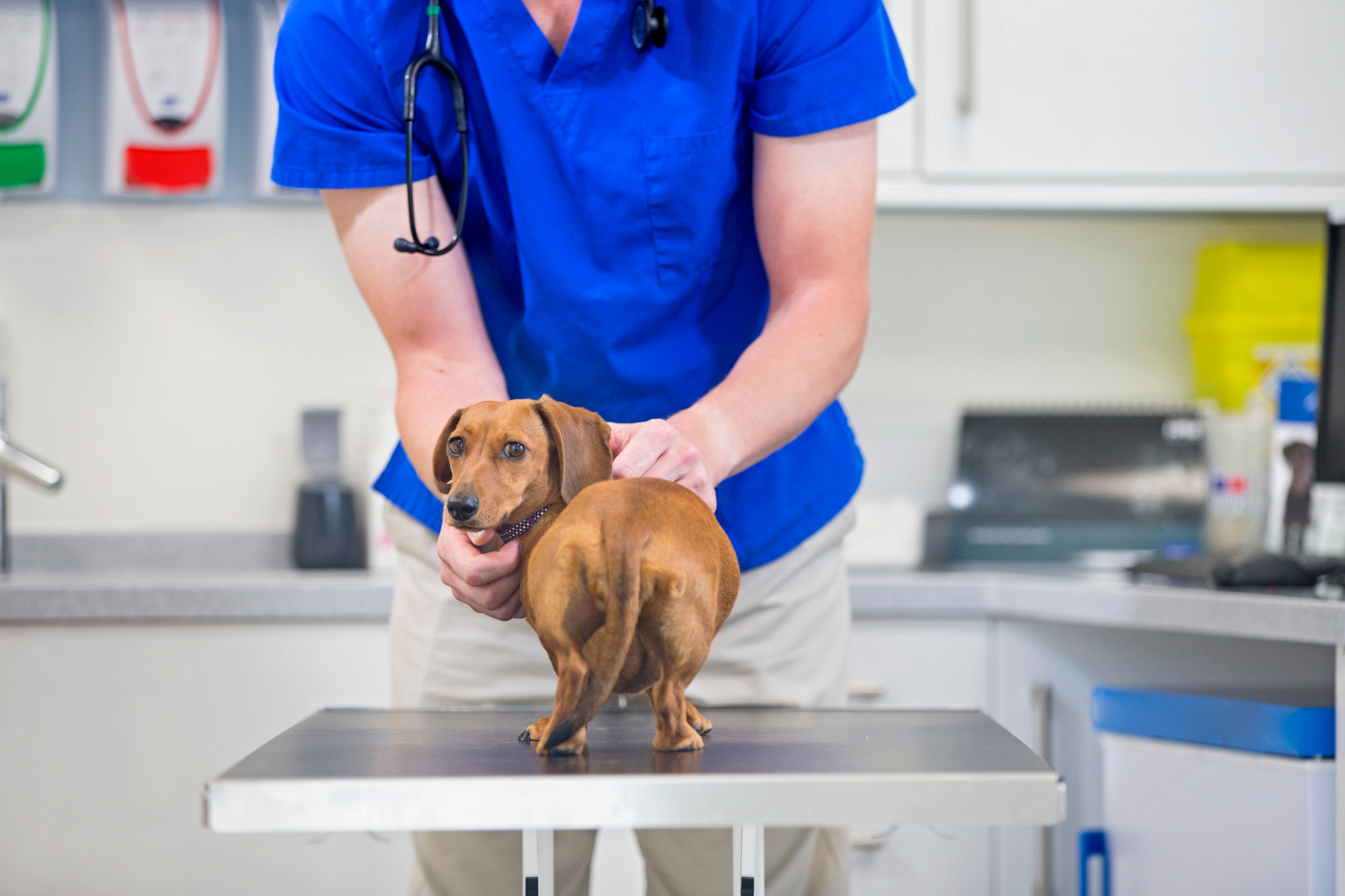
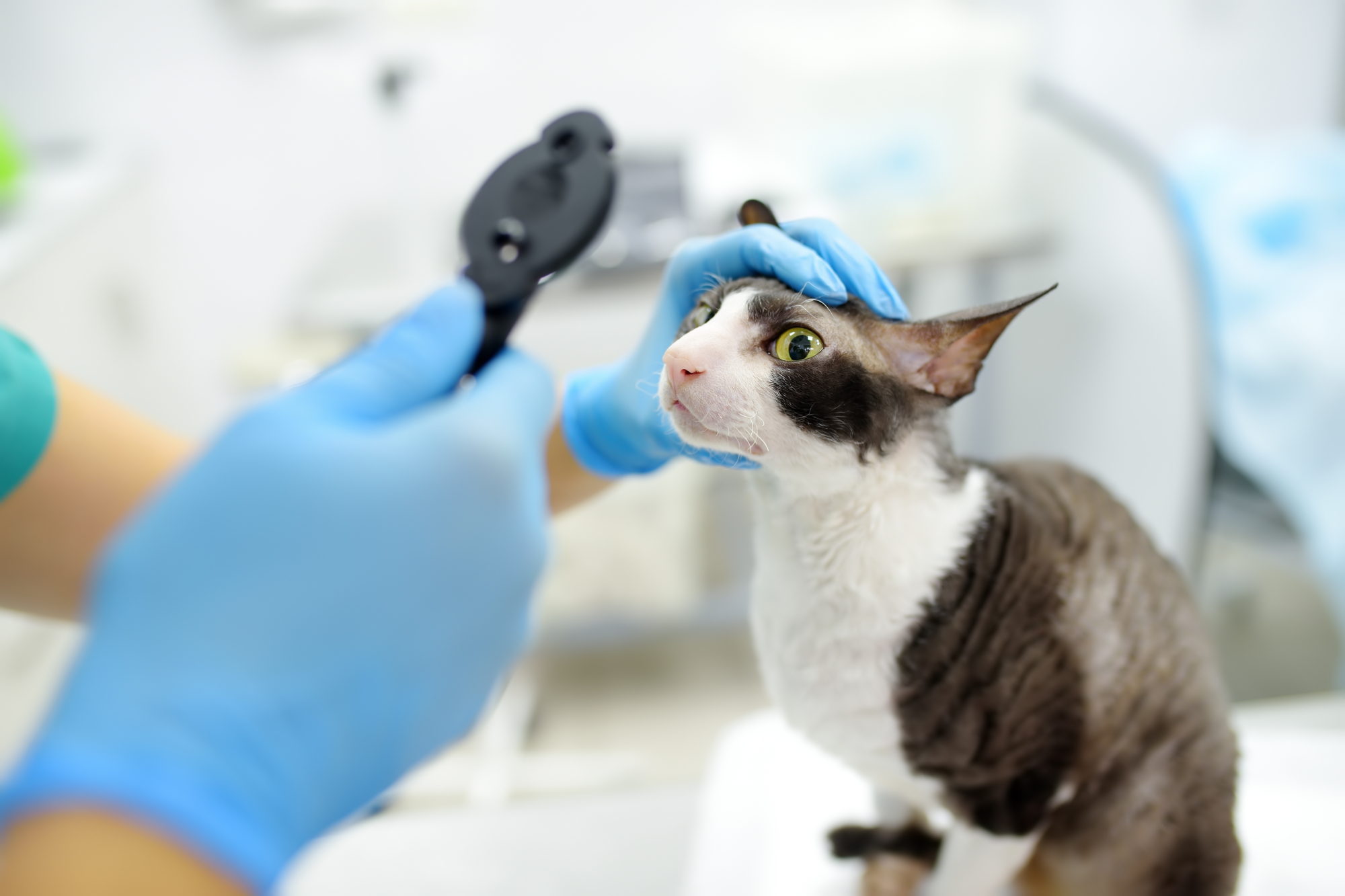
Routine wellness examinations allow your veterinary team to review your pet’s vaccination history, assess their overall health, and recommend preventive measures appropriate to their individual needs.
At Hastings Veterinary Hospital, we encourage pet owners to stay informed, maintain regular veterinary visits, and keep their pets’ vaccinations current.
Not sure when your pet last received a rabies vaccine?
Contact our team at 604-291-6666 to review your pet’s vaccination records or schedule a wellness appointment.
For more information about the recent confirmed rabies case, please read the official Vancouver Coastal Health notification.