As owners, we naturally want our pets to live in good health and happiness as much as possible. Raising a cat indoors is an excellent way to prevent exposure to infectious diseases, parasites, and hazards found outdoors. However, an under-stimulated indoor environment can lead to stress, frustration, and unwanted behaviours.
Such behavioural changes, especially if they are abrupt or unusual for your cat’s personality, may indicate that things in their living space may need to be addressed, but they can also be indicative of an underlying medical condition. Enriching your indoor cat’s environment prevents behavioural aversions and allows you to monitor your cat’s health easily on a daily basis.
What Does ‘Environmental Enrichment’ Mean? And Why Does It Matter?
Before we can talk about how to enrich environments, it’s important to understand your cat’s natural instincts.
By nature, cats are territorial and protective of their belongings, from their food bowl to their scratching post. They also prefer to hide when they’re anxious or scared, as well as hide in a place where they can view their surroundings. Hiding is their way of feeling safe from perceived threats, such as strange and unfamiliar people or new animals.
Unlike dogs, which are social animals and hunt in packs, cats are more solitary hunters that chase after smaller prey.
Understanding these basic instincts can help us enrich their environment so that 1) the cat is provided with the healthy outlets necessary to express their natural behaviours, and 2) they are protected from loud noises or the new presences of people and/or pets.
Is Environmental Enrichment Hard to Do?
The answer to this question depends on several factors. Sometimes, enriching an environment can be as simple as adding a few more toys to the room or moving their perch (cat tree, etc.) closer to a window. Other times, further adjustments may need to be made such as relocating the cat’s bedding and food bowls to a quiet, separate room, or introducing a new element to their surroundings such as a flowing water fountain to encourage hydration (especially important for senior cats prone to kidney disease). It all depends on factors such as your cat’s preferences, personality, and/or health needs, your lifestyle as their owner, and your home’s layout, to name a few examples.
Start with the Basics: Ensuring Your Cat is Comfortable
All cats have basic needs, especially if they’re being raised as indoor cats. Be sure to include these items in their living environment:
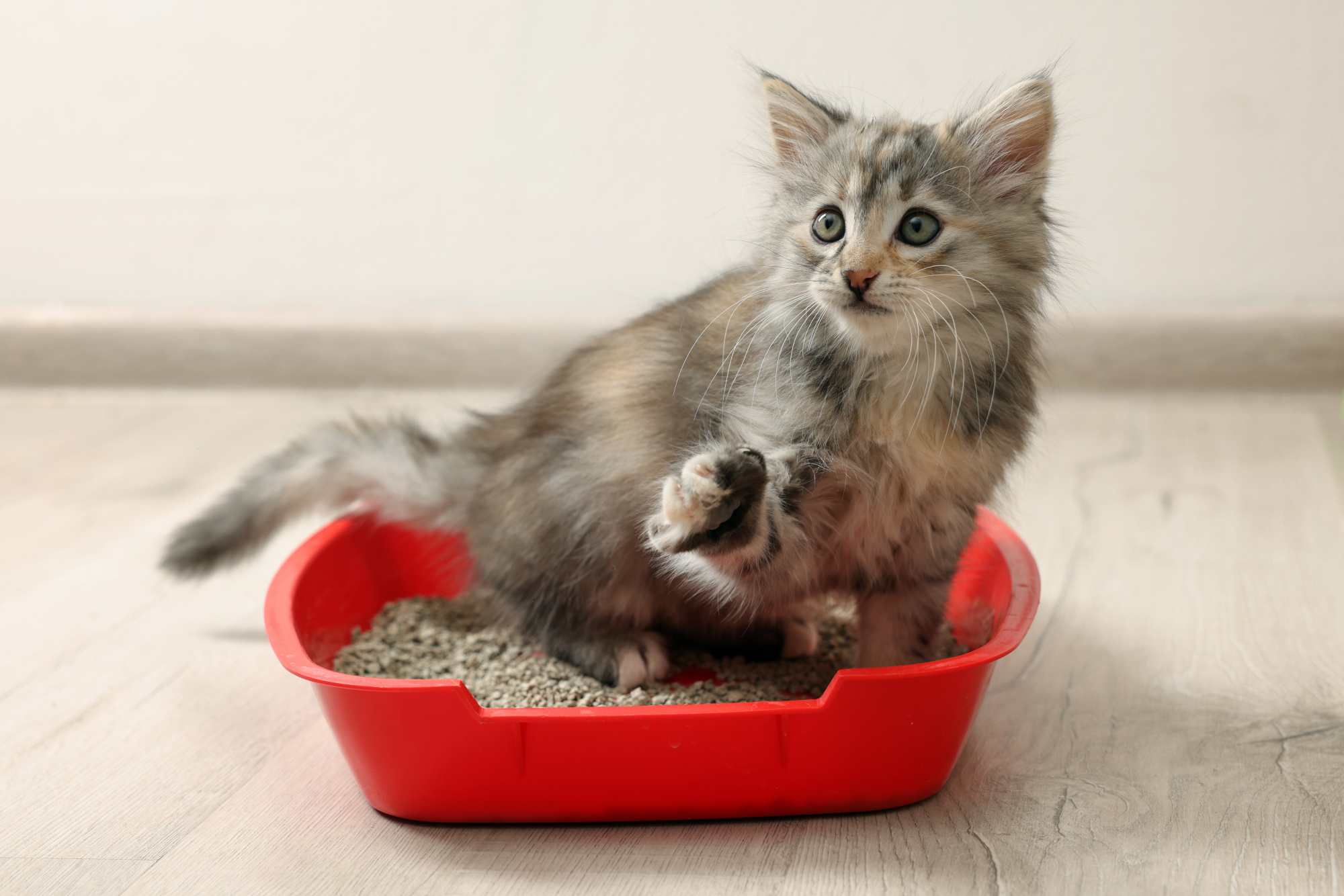
- A clean litter box (Remember the veterinary gold standard: one box per cat, plus one extra, placed in quiet, low-traffic areas)
- Fresh food and water (placed well away from the litter box)
- A clean bed and quite resting area
- A scratching post they can use, which allows them to stretch and naturally shed the outer husks of their claws
- A safe perch where they can look out the window (vertical space is crucial for feline confidence)
- Safe toys that appeal to their preferences for ‘prey’
Things to Keep in Mind with These Basics:
- Never use force or punishment when it comes to your cat’s environment or behaviour.
- Don’t change things in the environment immediately. For example, if you must make a change to their food bowl or litter type, place the new option next to the more familiar one. This gradual change will help your cat realize they have a choice to switch to the new one. After a few days or once your cat has become more familiar with the new option, remove the old option and only offer the new one.
- Every cat is different with their toy (prey) preferences. You may need to try out different toys when enriching their environment.
Advanced Environmental Enrichment Tips
- Provide hiding areas for your cat. In alignment with Fear Free protocols, hiding areas help your cat feel secure in the event there are loud noises, visitors to your home who smell unfamiliar, or other animals. Hiding areas can include covered cardboard boxes, climbing towers with peepholes, and closet shelves.
- Offer vet-recommended treats and/or treat-based puzzle toys as a reward for their behaviour or to encourage play. Look for treats with the VOHC (Veterinary Oral Health Council) seal if you want to support their dental health simultaneously.
The Key Takeaway
Environmental enrichment is the act of ensuring a home is comfortable, clean, safe, quiet, and welcoming for an indoor cat. It means:
- Ensuring their food is fresh and edible;
- Ensuring their water is clean and safe to drink;
- Ensuring they have toys to play with that appeal to their predatory instincts;
- Ensuring they have healthy outlets for behaviours, such as scratching posts;
- Ensuring they have accessibility to a clean litter box for urination and defecation;
- Ensuring they have a way to observe the outdoors, which is good for their mental well-being and stimulation;
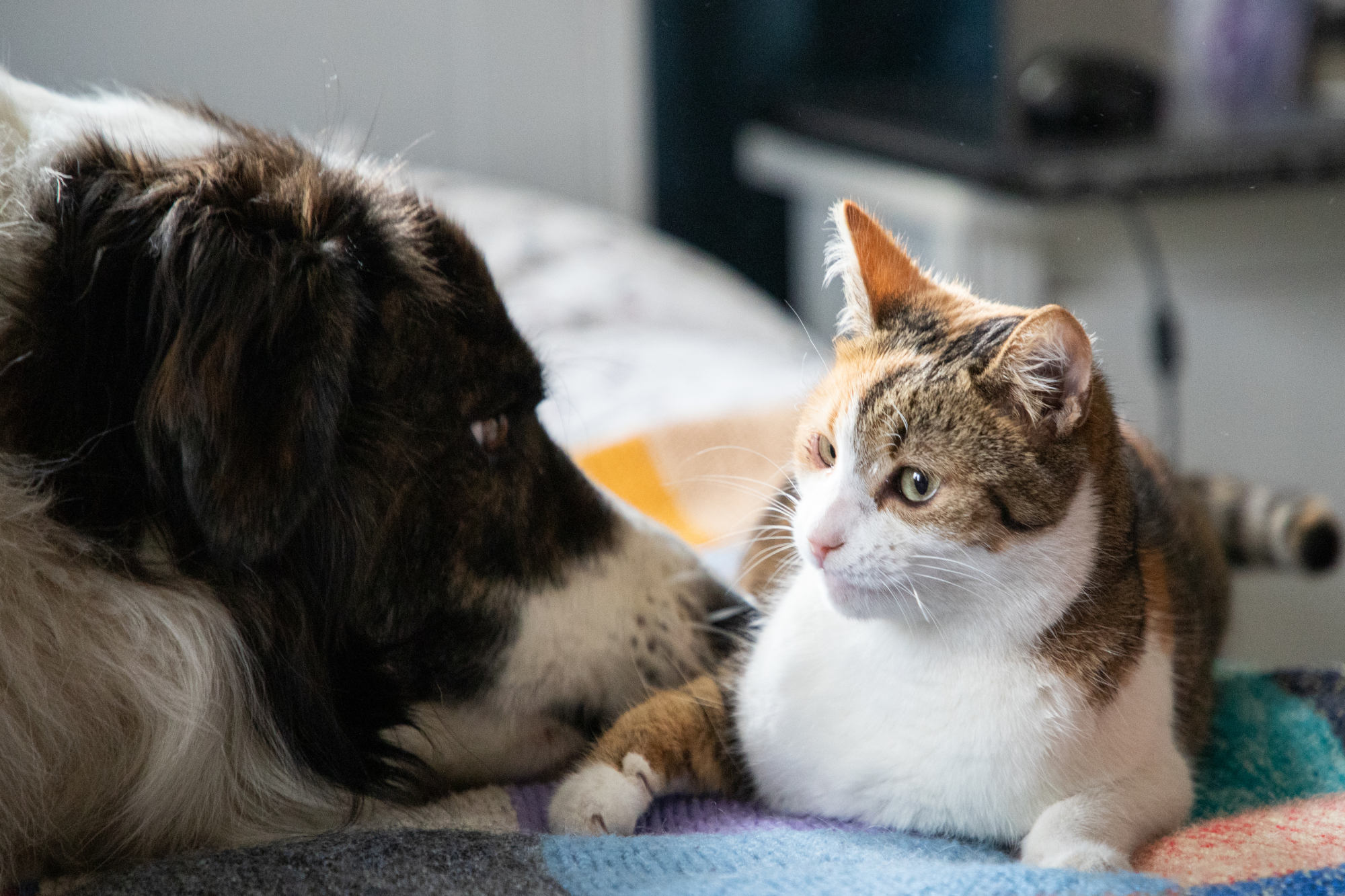
- And ensuring they have a quiet and clean space to sleep, separate from other pets and people when or if necessary
Monitoring your cat’s surroundings and living space is the very first step in ensuring their environment is a healthy one. In the event your indoor cat is still displaying underlying or obvious health issues, even after you’ve taken care to enrich their living environment, it may be worthwhile to book an appointment with your veterinary team.
To support your pet’s emotional well-being, proactive environmental management tools like species-specific pheromone diffusers (Feliway) or catnip can be highly beneficial. Your veterinary team will also perform a standard wellness examination of your cat and ask questions regarding their lifestyle and diet.
All cats, regardless of their personalities, breeds, and prey preferences deserve to live and be raised in an environment and home where they are happy, healthy, and loved. By following these basic checklists and making minor adjustments at a gradual pace when/if required, you will find that your indoor cat is much happier for it. Routine wellness exams, along with collaboration and conversation with your veterinary team, help us catch any underlying issues that environmental monitoring might miss.
Please note that Hastings Veterinary Hospital does not provide behavioural training. If your cat is exhibiting sudden aggression, biting, or severe anxiety, we strongly recommend a medical exam first to rule out pain, followed by consulting a certified feline behaviourist.
Creative Commons Attribution: Permission is granted to repost this article in its entirety with credit to Hastings Veterinary Hospital and a clickable link back to this page.