
If you’ve ever felt the panic that comes with realizing your cat has escaped the house or your dog has slipped their leash, you know just how stressful reuniting with your pet can be. That’s why microchipping pets has become more common over the past few years, helping more pet owners reunite with their pets.
In this guide, we explain how microchipping a pet works and whether you need a special BC Pet Registry chip to find your pet in British Columbia.
How Microchipping a Pet Works
In addition to other identification methods, such as unique tattoos and licences, microchipping is a form of permanent pet identification that helps veterinarians and shelters reconnect lost cats and dogs with their owners.
The microchip itself is a small electronic device encased in a glass cylinder. The chip is programmed with a unique identification number that it sends out when activated by a special scanner. This means the chip doesn’t need to be powered by a battery or anything else, and will remain functional forever. The microchip is usually inserted just under the animal’s skin with a special needle, usually in between the animal’s shoulder blades.
Typically, microchips are inserted when the animal is young, however they can be inserted at any time without the need for special procedures.
How Microchips Reunite Lost Pets with Their Owners
When a lost pet is brought to a shelter, checking for a microchip is one of the first steps staff take. Using a scanner, the animal is searched for a microchip. If they find one, it will match the owner’s information in the corresponding database. Assuming this information is up to date, the owner will be contacted and informed of their pet’s whereabouts before being reunited with them.
Why You Need to Microchip Your Pet
One common thought is that since a cat isn’t allowed outside, it doesn’t need to be microchipped. While this is theoretically true, anyone who has an indoor cat knows how determined they can be to escape at times. Since indoor cats typically don’t have collars and tags, you can see why a microchip becomes so important for tracking them down.
Another common question is whether a dog that always wears a collar and tags needs a microchip. A simple phone number on a collar is a great way to reunite a pet with their owner, however there is the possibility of the dog slipping out of their collar. Microchips are a permanent form of identification that can’t be lost or removed, making them a far more reliable way to find a lost dog.
How to Register Your Pet’s Microchip
In British Columbia, pet registration and microchipping are run through the BC Pet Registry. This organization is operated by the BCSPCA, which is also partnered with the American Animal Hospital Association’s (AAHA) universal pet microchip lookup.
BC Pet Registry microchips are a universal ISO standard and are recognized internationally. If you get your pet microchipped with this chip, they’ll automatically be registered to this database, meaning any shelter in British Columbia or the US (and internationally) will be able to find your information, provided you’ve kept it up to date. BC Pet Registry offers an online portal for owners to manage their pet’s profile page.
Owners must not skip this crucial step for pet microchip registration; a study found that only 58% of microchipped pets in over 50 shelters across North America had properly registered microchips in their databases.
If Your Pet Has a Non-BC Pet Registry Chip
If your cat or dog was microchipped somewhere other than British Columbia, you could run into issues if they go missing. To avoid the scenario of losing a pet permanently, we strongly recommend registering your pet with the BC Pet Registry. This is a straightforward process. You can register your pet online or call BC Pet Registry toll-free at 1-855-622-7722 to register your pet in BC. Your veterinarian office can also assist you in registering your pet with BC Pet Registry.
Reregistering a pet doesn’t eliminate their database entry elsewhere, which can offer valuable peace of mind for pet owners. The more registries and databases they’re listed on, the more likely you’ll be able to find your pet in case they become lost.
Where to Microchip Your Pet
Depending on where you got your pet, there’s a good chance they’ve already been microchipped. However, they may only have an ear tattoo or no form of permanent identification at all. If your pet needs to be microchipped (or you’re wondering whether they already are microchipped), a trusted vet can help.
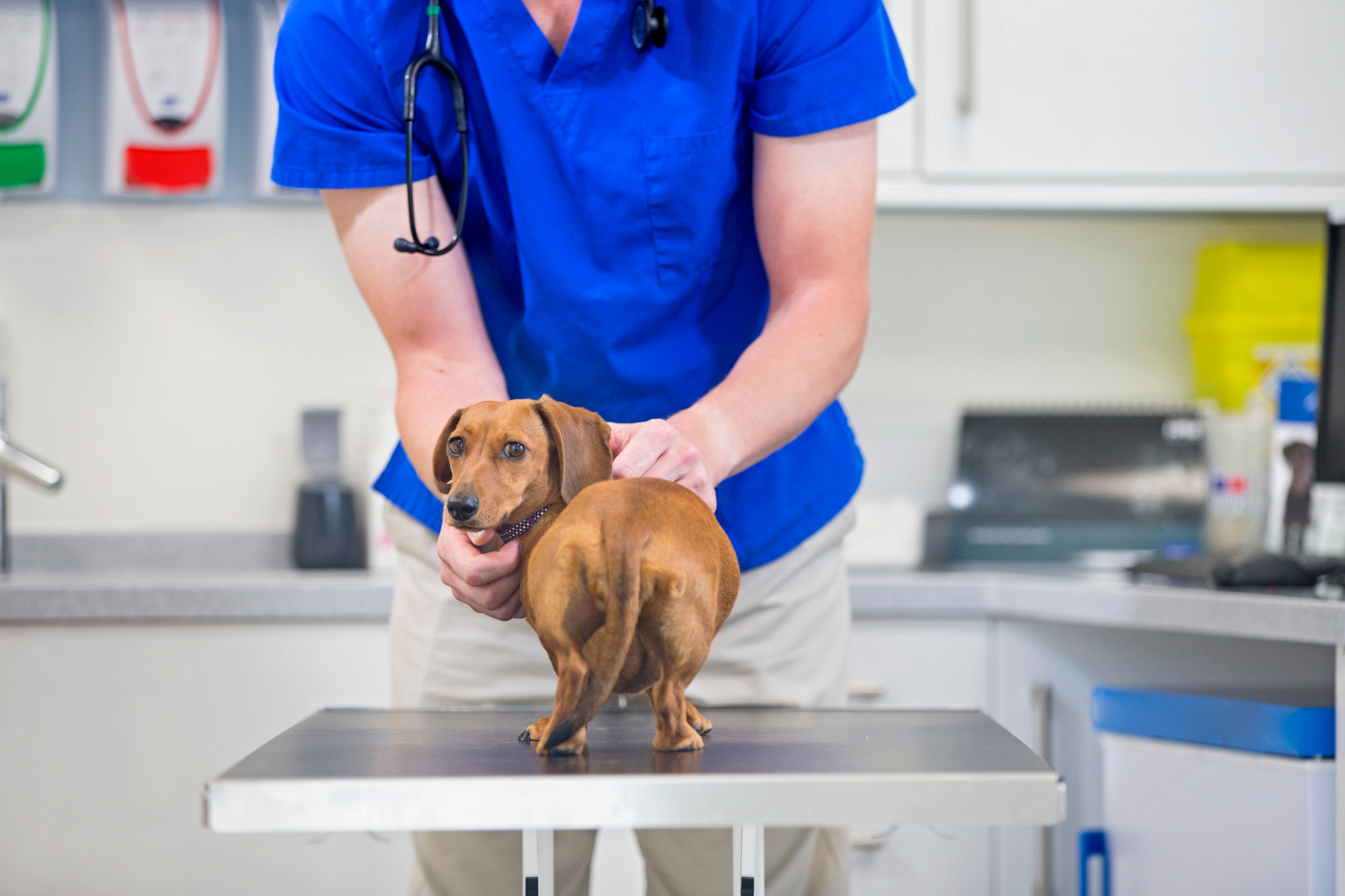
At Hastings Veterinary Hospital, we regularly help pet owners get set up with microchips and the BC Pet Registry. We can scan for a microchip, and if we find one, we’ll get your pet onto the BC Pet Registry. If they don’t have a chip, we can insert one ourselves, which is a process that takes only a few minutes to complete. After a short visit, your cat or dog is equipped with this technology, bringing you peace of mind.
Besides ensuring your pet has the chip itself, you also have to remember to update your information regularly in case of a move or change in contact information. It’s not uncommon for pets who do have a microchip to remain unclaimed because their owner forgot to update their phone number or address, creating a stressful situation for everyone.
By getting your pet microchipped at Hastings, you’ll be provided with the tools you need to get your information on the registry and ensure it remains up-to-date. And by taking time to implement this technology, you greatly improve your odds of reuniting with your cat or dog in case they become lost, protecting your pet from a life without their owner.
Creative Commons Attribution: Permission is granted to repost this article in its entirety with credit to Hastings Veterinary Hospital and a clickable link back to this page.