Just like we humans, dogs can sometimes be allergic to things they eat, touch, or smell. By understanding the symptoms, potential causes, and most effective treatments of allergies in dogs, pet owners can be better prepared to give their pups the help they need to feel their best, while also preventing more serious health issues from developing down the line. Here’s everything you need to know about allergies in dogs. Allergies are also commonly called ‘Atopy’ or ‘Atopic Dermatitis’.
Are Allergies Common in Dogs?
Allergies are extremely common in dogs, with allergic reactions being one of the most common causes for veterinary visits, especially when those reactions appear around the skin and ears. Unlike humans, who are likely to outgrow their allergies as they get older, dogs tend to get worse allergies over time, meaning you may need to manage allergies for your pet for their entire life.
Common Dog Allergy Symptoms
How do you know if your dog is having an allergic reaction? While the only way to be certain is to test and rule out other causes with the help of a veterinarian, there are a few common symptoms that overwhelmingly point to allergies, including:
- Itchy skin
- Excessive scratching, licking, and gnawing of the skin
- Rubbing of the face on rugs, furniture, and other surfaces (as a way to scratch itchy skin)
- Red, irritated skin
- Fur loss
- Gastrointestinal issues (e.g., loose stool, vomiting, etc.)
- Repeat ear or skin infections
As you can see, these allergy symptoms can be quite different from the typical runny nose and bleary eyes that we humans get, though we can share issues like itchy, irritated skin. Overall, the severity and nature of these symptoms will vary depending on the type of allergy your dog is suffering from.
Types of Allergies in Dogs
To better understand how allergies affect dogs, we need to break down the different kinds of allergies that can affect them.
Flea Allergies
Flea allergies are common skin conditions in dogs not protected by flea prevention. This is because allergies are the reason for flea bites being itchy. While research is ongoing, it’s believed that most dogs have a reaction to certain proteins in flea saliva, which can lead to itchiness, redness, and other skin issues. Even just a couple of bites per week can lead to prolonged irritation for your dog.
In addition to applying preventative flea medication, dog owners should keep an eye out for signs of fleas. This not only includes watching for the fleas themselves, but also for any small black dots where the dog’s fur meets the skin. These are known as flea dirt, flea dust, or flea excrement, and are made up of digested blood passed by the flea.
Seasonal Allergies
Like humans, dogs can get seasonal allergies to pollen from grass, trees, flowers, shrubs, and mould spores. Your dog may come into contact with these allergens through inhalation or skin exposure, which can lead to a wide variety of potential allergy symptoms. While it’s most common to see these issues in spring and summer, seasonal allergies can occur in dogs year-round.
Environmental Allergies
Environmental allergies are another common issue for dogs. Many dogs are allergic to dust mites, which means they can be exposed virtually anywhere at any time of year. Like seasonal allergies, dogs can have a reaction to dust mites whether they inhale or simply come in contact with them.
Food Allergies
Like people, dogs can have allergies and intolerances to foods of all kinds. Most commonly, dogs will be allergic to specific meat proteins in food. Rarely, your dog might be allergic to grains in their food formula. Your vet will be able to test and find out what your dog is allergic to, and then make suggestions about new food formulas or novel proteins to ensure a healthy diet for your pet.
Treating Allergies in Dogs
It is important to understand that allergies (or Atopy) in dogs is usually a lifelong condition that needs to be managed with a multi-modal therapy approach involving anti-itch medication, environment/food control, immunotherapy, etc.
With a better understanding of the types of allergies (Atopy) dogs can have, how can we help? Allergies are treated in a variety of ways. The most recent studies do not differentiate significantly between seasonal allergies, environmental allergies, and food allergies. These are all grouped under Atopy or Atopic Dermatitis.
- Flea allergies are treated with strict flea control combined with treatment to relieve itchy or irritated skin. Environmental flea control may also be necessary to prevent reinfestation.
- Atopy is best treated by first identifying the offending allergens by way of allergy testing and then customizing the immunotherapy plan for each individual dog. Allergy testing is performed by either a blood allergy testing or intradermal skin testing. Treatment and management of atopy involves anti-itch medications, regular bathing (to decrease the allergen load), use of Omega 3 Fatty acids (fish oil), immunotherapy, etc.
- Food allergies are best treated with careful allergy testing and the gradual transition to a new type of hypoallergenic food. It is very important to make sure your dog is itch-free at the start of the trial. The food change must be done as a well-designed food elimination trial and your veterinarian can help with food or food ingredient choices based on your dog’s history.
The Importance of Working with Your Vet to Address Allergies in Dogs
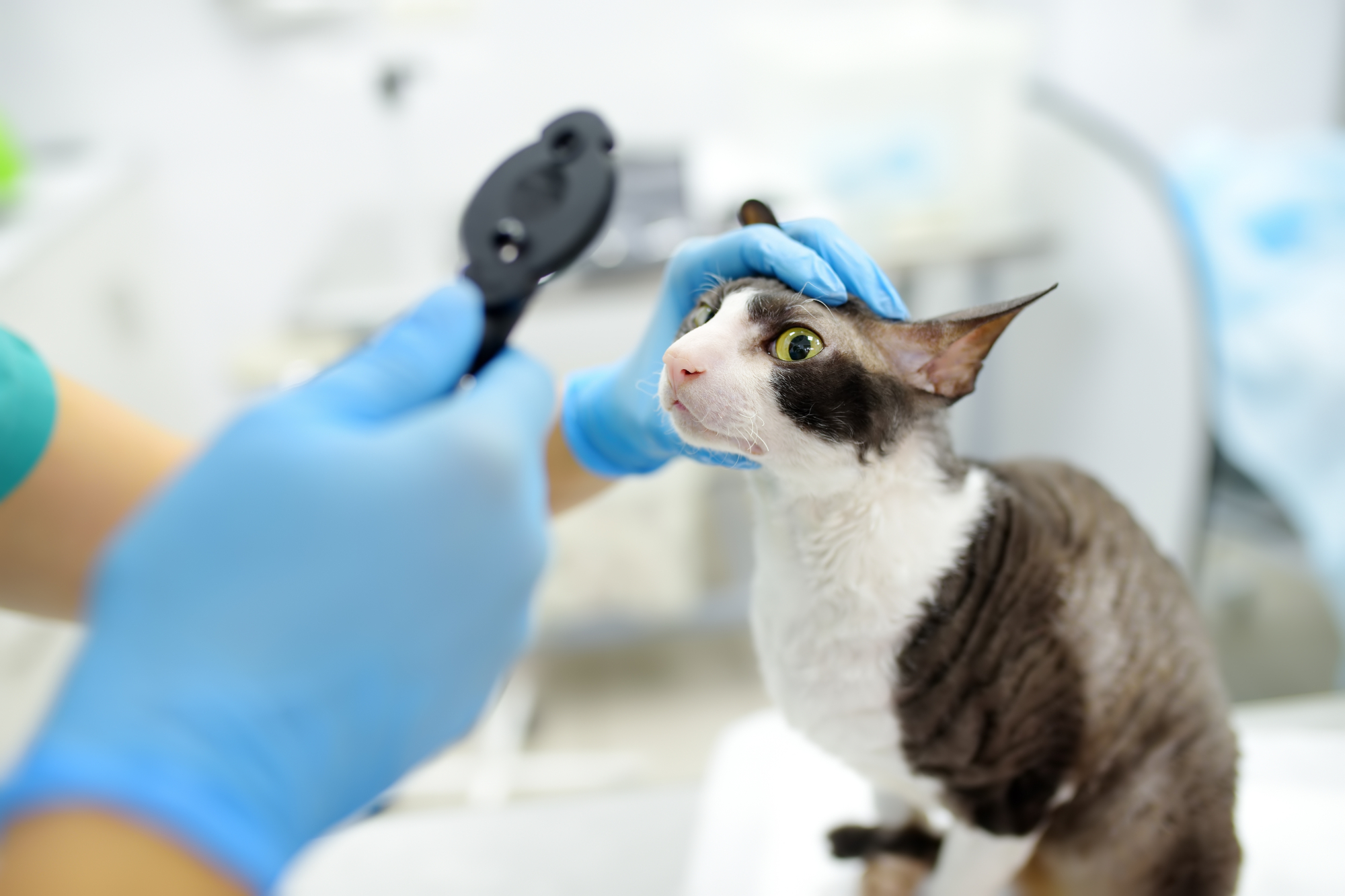
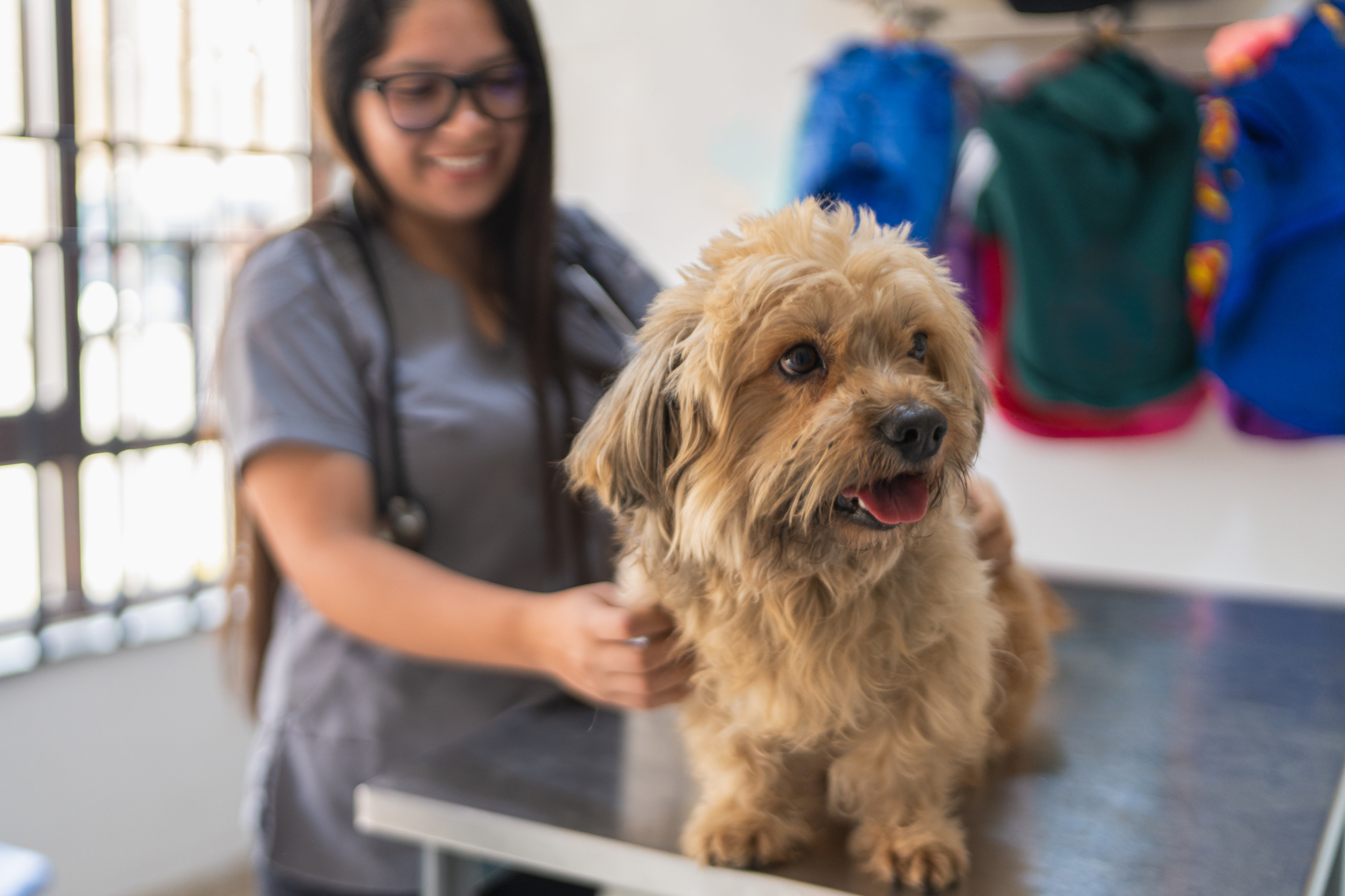
When we humans are allergic to something, it’s often quite easy to control our symptoms and limit our exposure. We take antihistamines when spring pollen is in the air, vacuum our homes when our noses are getting irritated, and steer clear of foods that cause a reaction. Unfortunately, our dogs cannot communicate these needs to us, which is why it’s vital to get the facts about their allergies from a veterinarian. A veterinarian will take the time to learn about your dog’s allergies, uncover the possible causes based on information about their environment and routine, and systematically work to treat the symptoms and address the root cause of the reaction.
Whether it’s switching to hypoallergenic food or getting fleas under control, your veterinarian will be able to offer expert advice to treat your pup’s allergies and get them feeling their best again.
The best and the most informed way to give your pup relief from their allergies is to have them examined by a qualified veterinarian. Always work closely with your vet to help your pup stay as safe, healthy, and comfortable as possible.
Creative Commons Attribution: Permission is granted to repost this article in its entirety with credit to Hastings Veterinary Hospital and a clickable link back to this page.