Canine polyuria (PU) refers to increased urine production, while polydipsia (PD) refers to increased water consumption. Because the two often occur together, polyuria/polydipsia is commonly evaluated as a pair (PU/PD). This is not a diagnosis in or of itself, and it doesn’t automatically mean there’s a serious disease present. However, persistent or unexplained changes deserve veterinary attention because identifying the cause can help guide appropriate treatment.
Understanding How Canine PU/PD Can Happen
In a healthy dog, the kidneys filter blood and determine how much water to keep in the body and how much water to get rid of in the form of urine. Anti-diuretic hormones (ADH) sent from the brain to the kidneys help regulate this natural filtering process.
When something disrupts this system, two things can happen: one, the dog loses too much water through its urine. The kidneys may not be able to concentrate the urine properly, so the dog urinates larger amounts or urinates more frequently. Two, the dog gets thirstier to replace the lost water. The brain (more specifically, the pituitary gland and the hypothalamus) senses that the body needs more fluid, so the dog drinks more. It’s a continuous cycle; the more water the dog drinks, the more urine it may produce.
Why It’s Important to Know About PU/PD
Changes in how much a dog drinks or urinates can be easy to overlook, particularly when excessive thirst and urination develops gradually. These changes can also be difficult to interpret: some of them reflect differences in activity, environment, diet, or medication, while others may indicate an underlying medical condition. This is why early detection of PU/PD can aid a veterinary team in providing appropriate care.
What are the Causes of PU/PD?
It’s worth noting that a lack of water is not the primary cause of PU/PD. Some potential causes include the following:
- Chronic kidney disease
- Issues with blood sugar (diabetes mellitus)
- Cushing’s disease (hyperadrenocorticism)
- Uterus infection in unneutered females (pyometra)
- Certain medications, such as diuretics
- Others: leptospirosis, urinary tract infection (UTI), other hormonal causes
How a Veterinary Team Diagnoses PU/PD
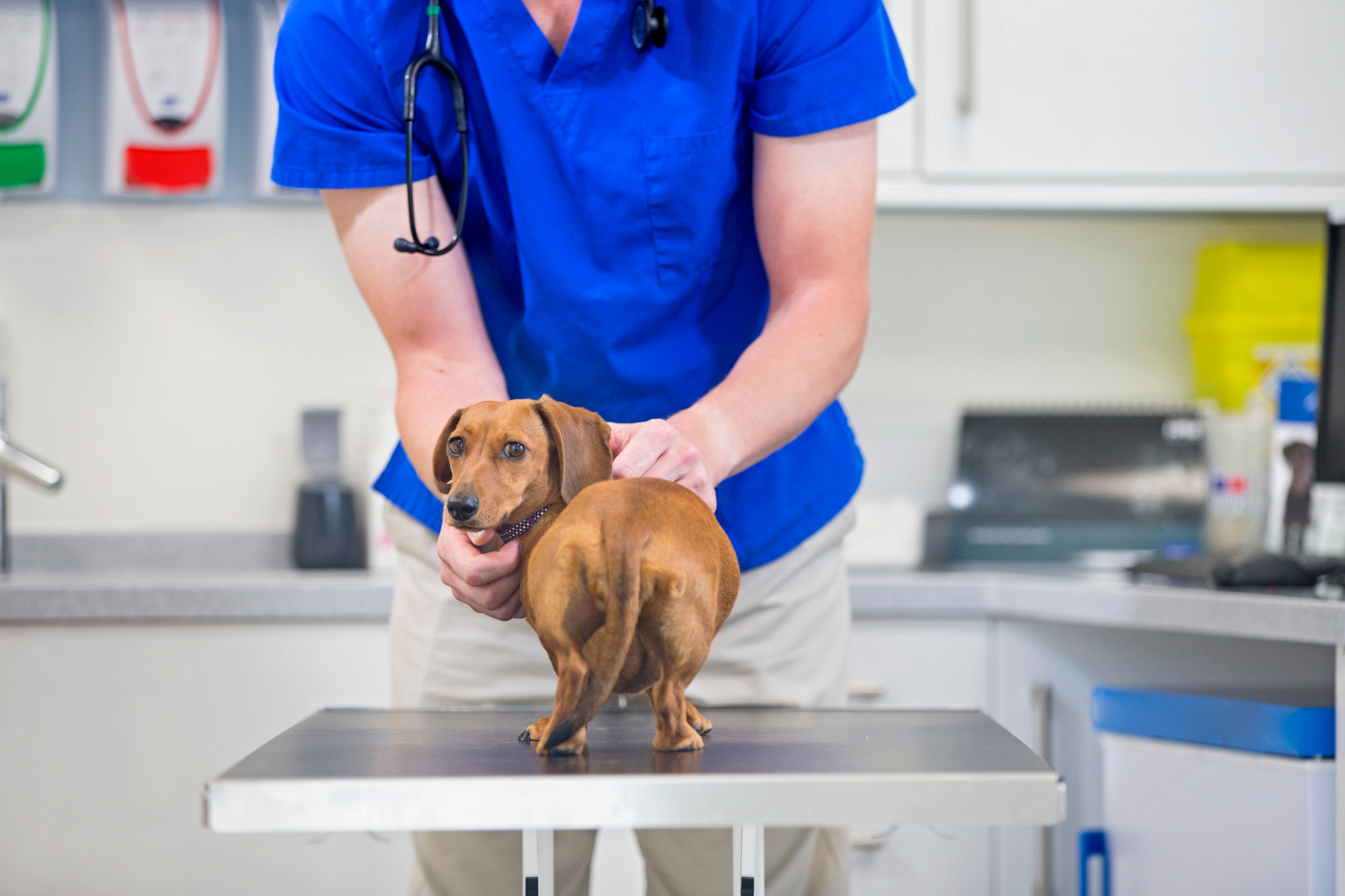
The first step is for your veterinary team to investigate PU/PD’s potential causes. It is standard practice to conduct a full physical examination of your dog and interview you. The background information you provide can help them better understand your dog’s medical history and track down the cause.
The diagnostic standard of care requires pairing comprehensive bloodwork with a complete urinalysis. Both of these tests can help determine whether the kidneys are functioning as they should be, as well as detect possible kidney health disorders.
Further testing may be required if the underlying cause is not determined immediately. An example is diabetes insipidus, a rare condition that causes the dog’s body to make too much urine.
What Owners Can Do
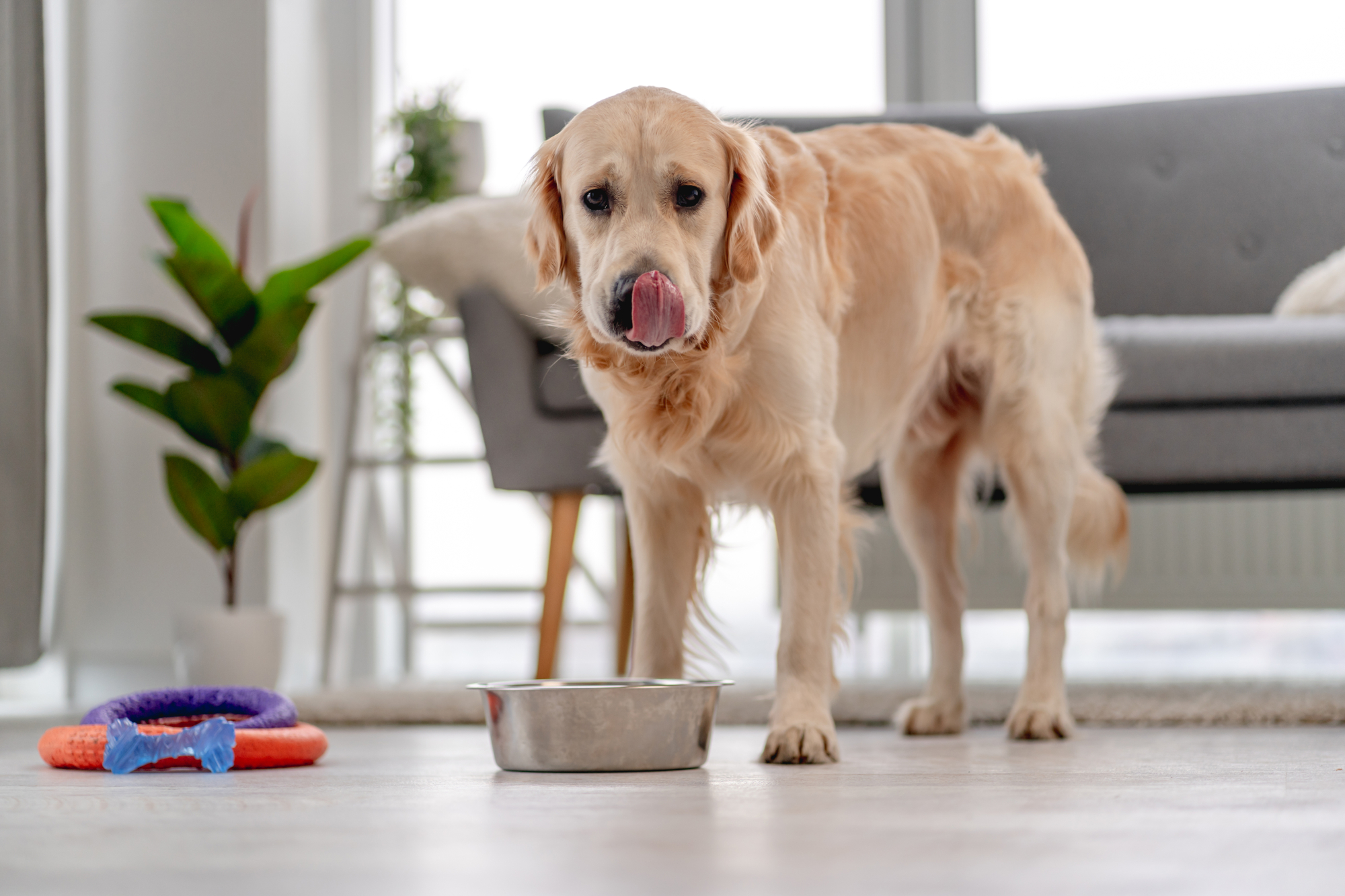
Measuring your dog’s water intake within a 24-hour period can be helpful to note before you proceed with scheduling an appointment. Measure the amount of water you put into their bowl before offering it to your dog. At the end of 24 hours, estimate how much was consumed, accounting for refills, spills, and (if necessary) water shared by other pets. Record the amount for several days if your dog is healthy otherwise. Take note of whether your dog is urinating at larger volumes, waking at night to go outside, or having accidents indoors.
A general baseline for a healthy dog’s water intake is 60-80ml of water per kilogram in body weight within 24 hours. So, for example, if your dog weighs 5kg, this would amount to 300-400ml of water. Keep in mind that normal intake varies with temperature, your dog’s diet and exercise routines, and other lifestyle factors.
It’s important during this time that you continue to offer fresh water to your dog rather than limiting their water intake. Regardless of PU/PD’s cause, hydration is essential to a dog’s overall health and well-being. If you are concerned about your dog’s intake of water and required amounts, you may refer to our hydration blog post.
Further investigations and treatment for PU/PD can vary in expense depending on the underlying cause and the tests or treatments required. While some cases can be investigated with routine bloodwork and urinalysis, others may require additional diagnostic testing or ongoing monitoring.
Your veterinary team can explain the recommended tests, discuss anticipated expenses, and help you prioritize the next steps based on your dog’s individual needs. If financial investment is a concern, ask about available options or alternative approaches to care. Reviewing your pet insurance details in advance can also help you understand what financial support may be available if your dog requires care.
If you are still concerned about your dog’s thirst and urination, contact your veterinary team to schedule an assessment.
Creative Commons Attribution: Permission is granted to repost this article in its entirety with credit to Hastings Veterinary Hospital and a clickable link back to this page.